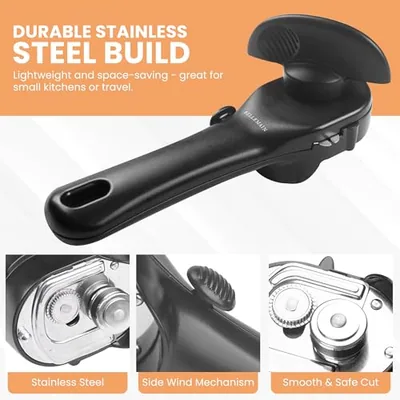
Ergonomic Can Opener, Easy Safe-Cut for Seniors & Restaurants, Black
Stainless steel
$19.99

Bellemain kitchen tools
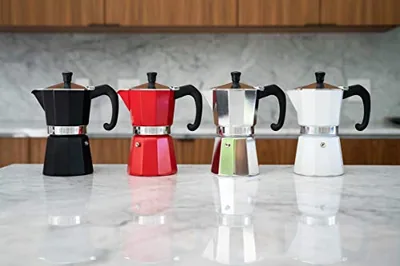
Our name means beautiful hands, and we start from the hand: a tool has to feel right before it looks right. We make 66 kitchen tools across 8 departments, priced $9.89 to $77.98. From 40 stainless steel pieces that nest in a drawer to 2 bamboo organizers that bring order to a cabinet, and a stovetop moka pot in 3 sizes that earns its place on the shelf, everything we make is for real cooking, not for the show.
Shop by job
We make 66 tools across 8 departments, each with its own page where you'll find the size and material for every piece.
Hand tools
6 shown here, 19 in the department.
Added value: steel and care
We mark the steel grade on 14 of our 40 stainless pieces. Below we explain what the numbers mean and how to care for each material we use.
Of the 40 stainless steel pieces in our catalog, 14 carry the grade named on its page. The numbers 18/8 and 18/10 refer to the alloy: roughly 18 percent chromium and either 8 or 10 percent nickel. That balance gives the steel its resistance to rust and its ability to stay bright through years of use. It is not a coating. It goes all the way through.
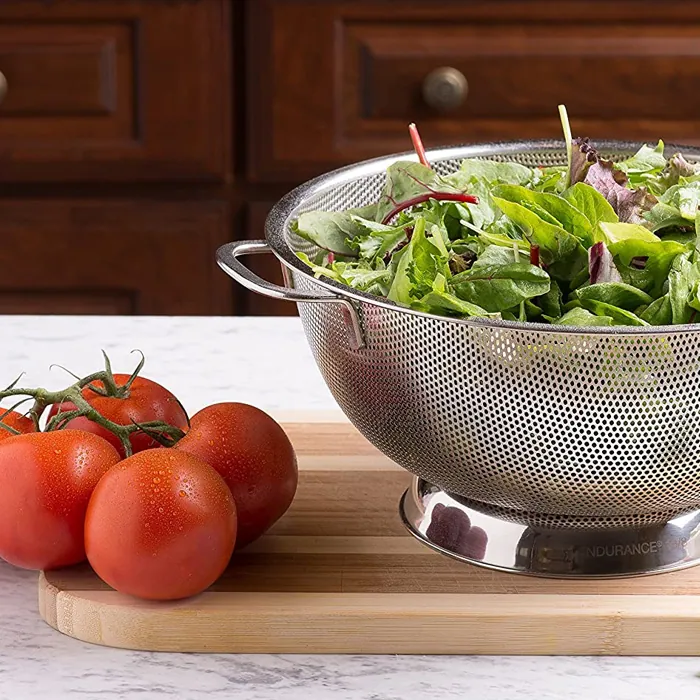
Stainless is not stain-proof, though. If you leave a colander wet with salt water or citrus juice, the surface can spot or pit. That is normal, not a defect. A quick rinse and a dry towel are all it needs. Aluminum moka pots and nonstick baking pans are different.
They are hand wash only. A trip through the dishwasher will dull the aluminum and shorten the life of a nonstick surface. Our bamboo drawer organizers and knife blocks want a wipe with a damp cloth. Soaking them will swell the wood and split the joints.
| Material | Pieces | What it does and does not do | Care |
|---|---|---|---|
| 18/8 stainless | 3 | 18% chromium, 8% nickel. Does not rust in a dishwasher, holds a polish, shows water spots if left to air dry. | Hot soapy water or the dishwasher where the piece says so. |
| 18/10 stainless | 11 | More nickel, slightly brighter, slightly more resistant to pitting from salt and citrus. | Same as 18/8. Rinse citrus off a squeezer the same day. |
| Carbon steel, nonstick coated | 2 | Bakes evenly and releases with the coating intact. Scratches from metal tools shorten its life. | Cool before washing, soft sponge, no steel wool. |
| Aluminum | 5 | Light, heats fast, the classic moka pot body. Reacts with long contact to acidic food. | Hand wash, never the dishwasher, dry at once. |
| Bamboo | 2 | Hard, low-porosity grass. Resists knife scarring better than softwood. | Wipe, do not soak. Oil twice a year if it looks dry. |
| Microfiber | 10 | Absorbs many times its weight and dries fast. Holds smell if left wet in a heap. | Machine wash warm, hang to dry. |
Prep and baking
6 shown here, 15 in the department.
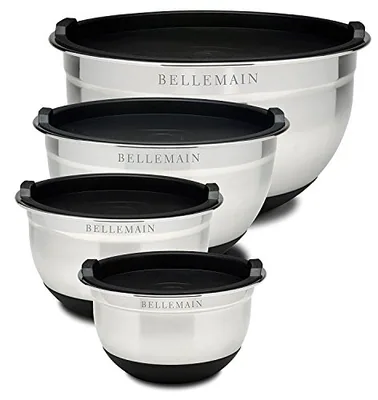 Set of 4Airtight lids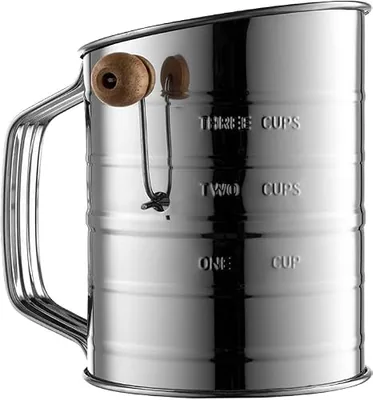
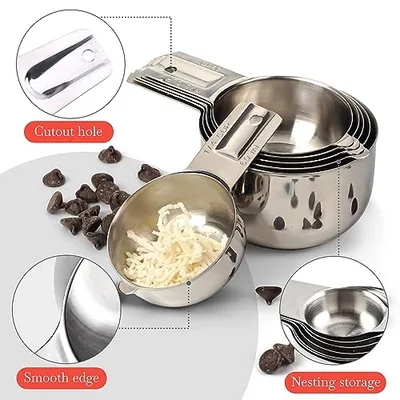 Set of 6
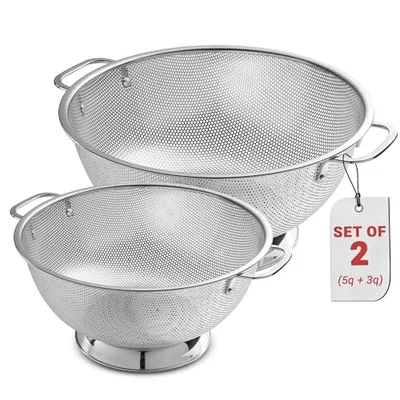
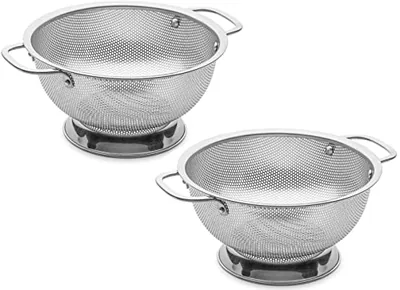 Set of 2
Compared honestly
We make 66 tools across 8 departments, and a good way to see what sets them apart is to line one up next to something from the dollar store, something from a restaurant supply house, and something from a European premium brand.
| Bellemain | Dollar-store basics | Restaurant supply | European premium brands | |
|---|---|---|---|---|
| Steel | 14 pieces name 18/8 or 18/10 on the piece | Grade rarely stated | Usually 18/8, heavy gauge | 18/10, often stated |
| Sets | 15 pieces sold as sets that nest | Singles | Singles by the case | Sets at set prices |
| Dishwasher | 14 pieces say dishwasher safe on the piece | Seldom stated | Yes, built for it | Often hand wash only |
| Measurements | 42 of 66 pieces publish width and height | Rarely | Yes | Usually |
| Price | $9.89 to $77.98, median $20.80 | Lowest | Low per unit, bought by the dozen | Highest |
| Who it will not suit | A cook who wants cast iron or copper, or a single heavy pan | Anyone who cooks every night | A home kitchen with one drawer | Someone furnishing a first kitchen on a budget |
Added value: sizes and sets
We size our tools for the way a cook actually works: colanders in quarts, moka pots in cups, knife sets in counts, and drying mats that fit a real countertop.
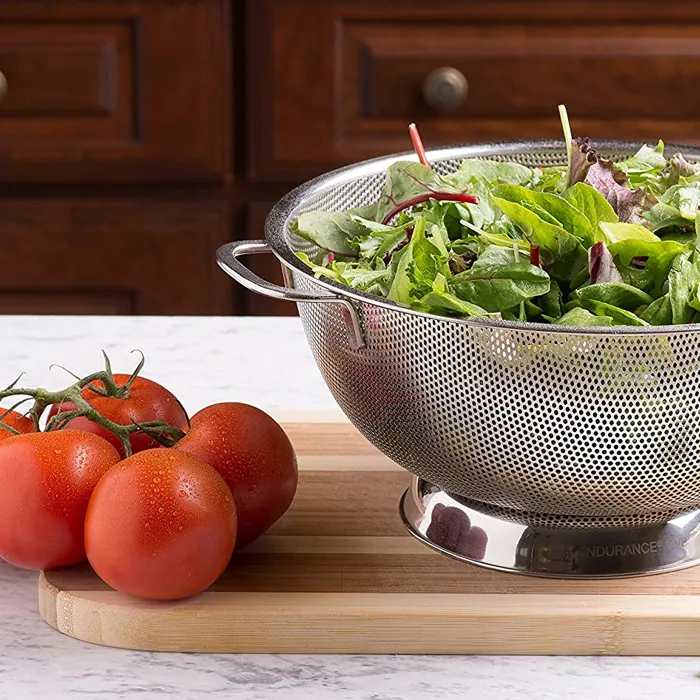
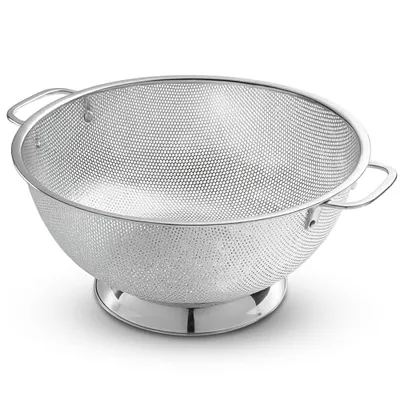
We make tools in sizes you can actually fit into your kitchen. A colander, for instance, should hold the whole pot of pasta without crowding it. Cook a pound of spaghetti at a time and you will want the volume of our larger bowl. Boil a single portion now and then and the smaller one leaves room in the cupboard. Look at the pot you reach for most often. That is the number to match.
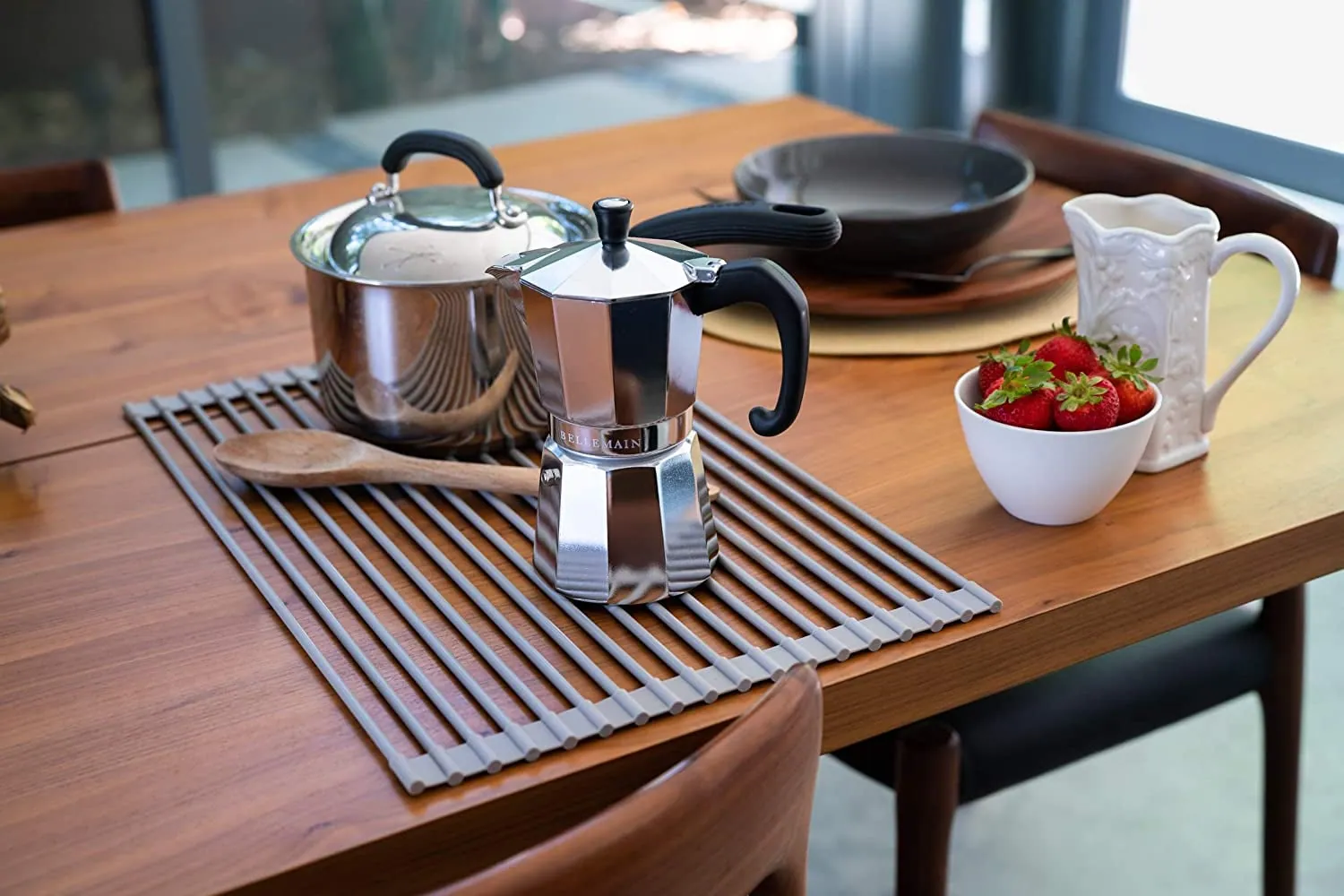
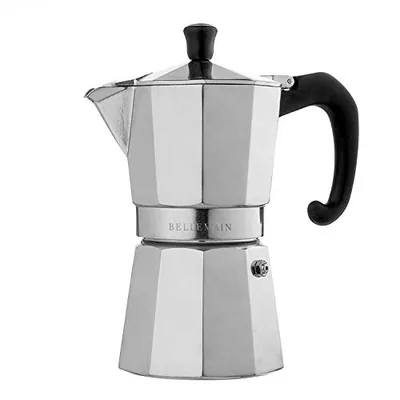
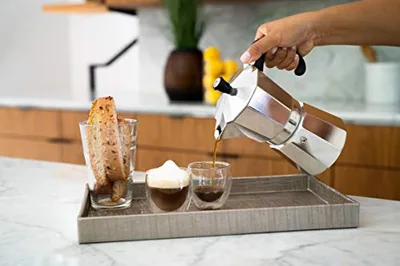
Our moka pots are sized by small espresso cups, not by American mugs. The 3-cup model makes enough for one person who drinks a short, strong coffee. A 9-cup pot fills two or three demitasse cups, and it will not brew a single mug the way a drip machine does.
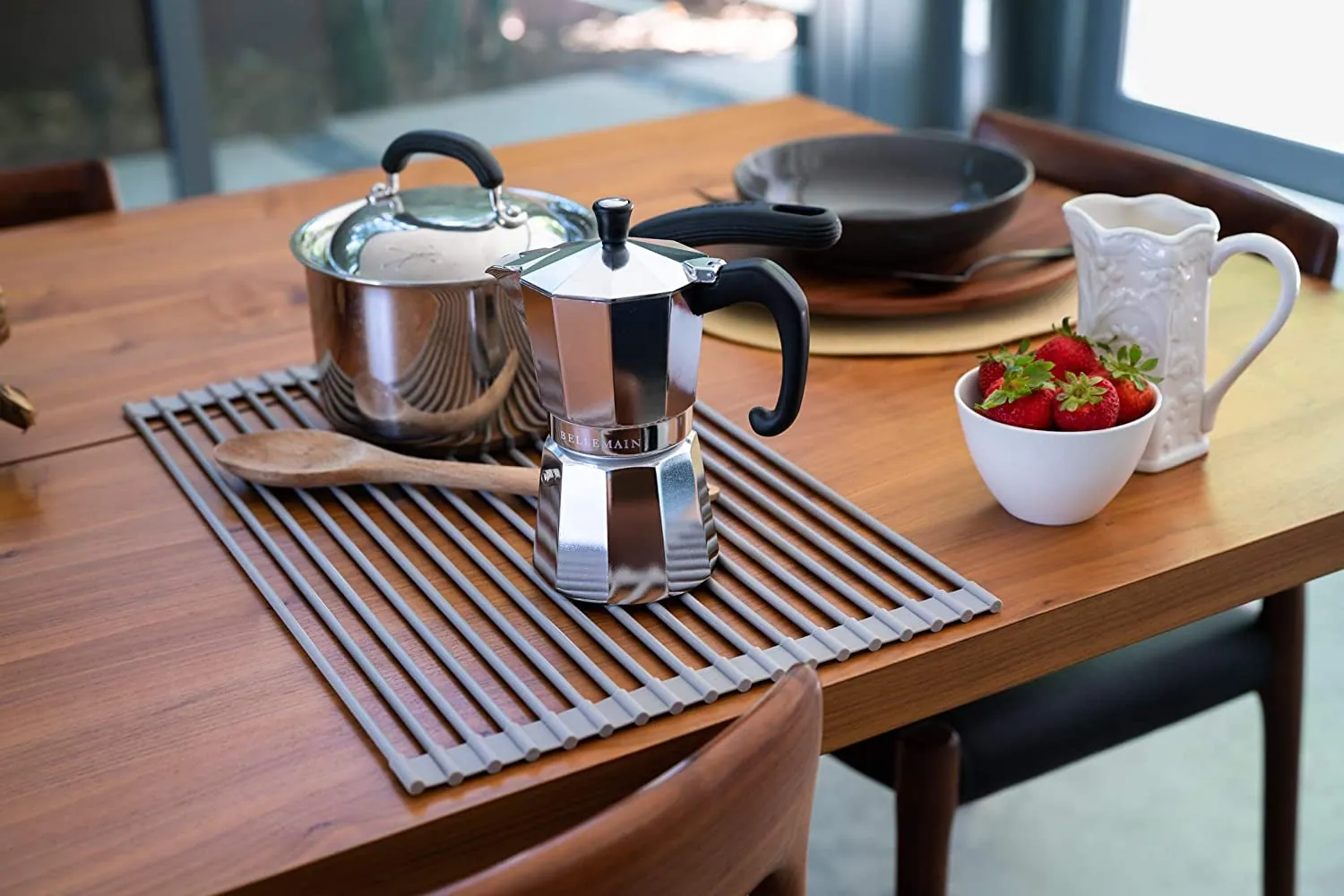
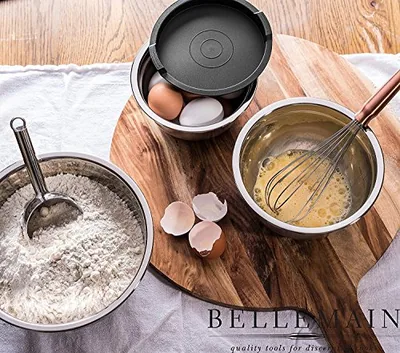
With mixing bowls, ignore the nest and check the footprint of the widest bowl on your counter. The largest piece in a set of five needs a spot to sit while you work. A drying mat should leave a strip of clear counter beside your sink.
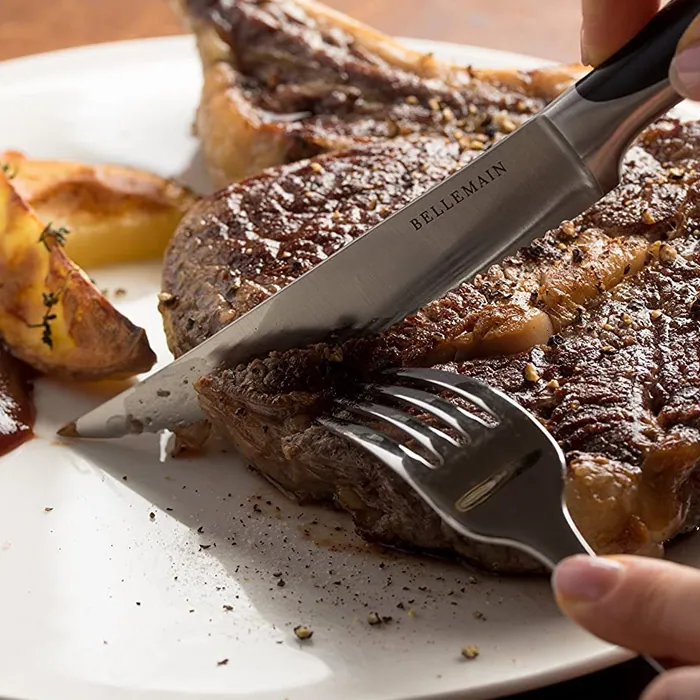
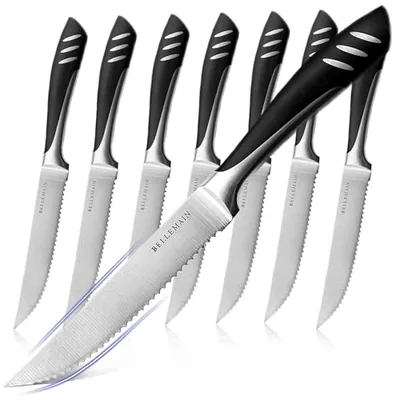
If your drainer already crowds the soap bottle, go down a size. And steak knives: a set of four seats a small table. Six covers a family dinner. Eight is for company, and a knife block that holds all of them takes up a permanent run of counter. Pick your real table, not a holiday one.
| Line | Sizes we make | Pieces | From |
|---|---|---|---|
| Colanders | 3 and 5 quart | 4 | $38.99 |
| Mixing bowl sets | Sets of 3, 4, 5 | 3 | $23.99 |
| Moka pots | 3, 6, 9 cups | 5 | $17.99 |
| Steak knife sets | Sets of 4, 6, 8 | 3 | $27.99 |
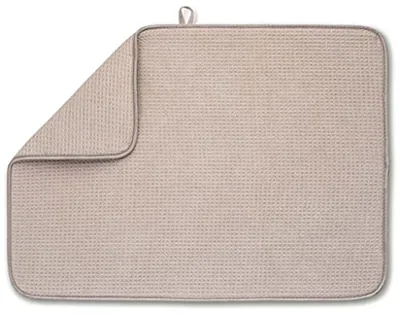
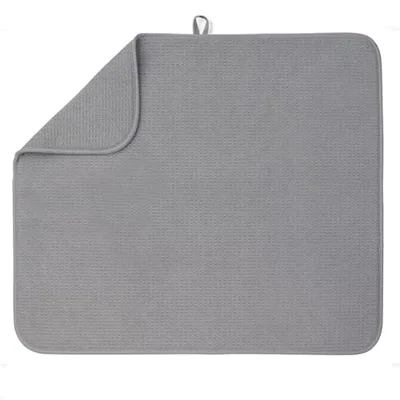
| Drying mats | 16 × 18 in and 17 × 24 in | 10 | $9.89 |
| Flour sifters | 3 and 5 cup | 2 | $17.09 |
Coffee, grill, table
6 shown here, 17 in the department.
Set of 8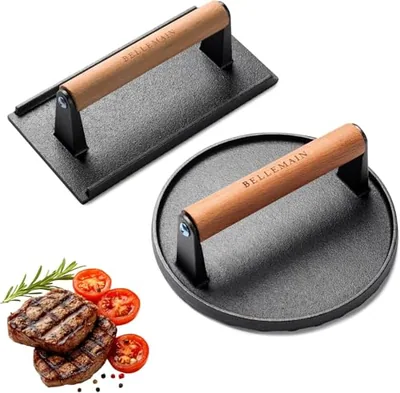 Set of 2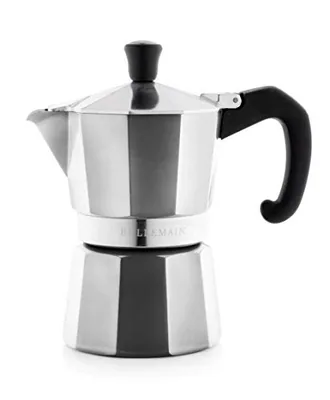
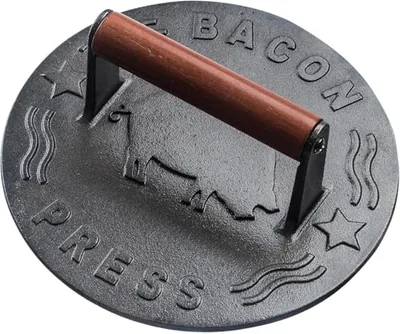
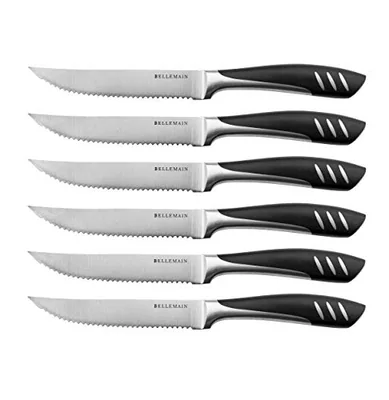 Set of 6
Production and history
Bellemain means beautiful hands, and that's how we make tools: starting from the hand, testing with real food, growing from one colander into 66 pieces across 8 departments.
Bellemain standards works for beautiful hands. For us, a tool earns its place in a hand before it earns a spot on a shelf. So we started with a colander.
Not a fancy one. A stainless bowl you could lift with one hand, because the other would be holding a pot of boiling water. It had to drain fast and stand on its own feet, stable on the counter while you shook the pasta loose.
It had to go straight into the dishwasher after. The thing we got wrong on the first sample was the handles, too slight, too sharp. After one pound of hot penne, we softened the grip and deepened the rivet wells. That colander is still with us.
Everything else grew from that question: does it feel right when your hands are wet, hot and in a hurry.
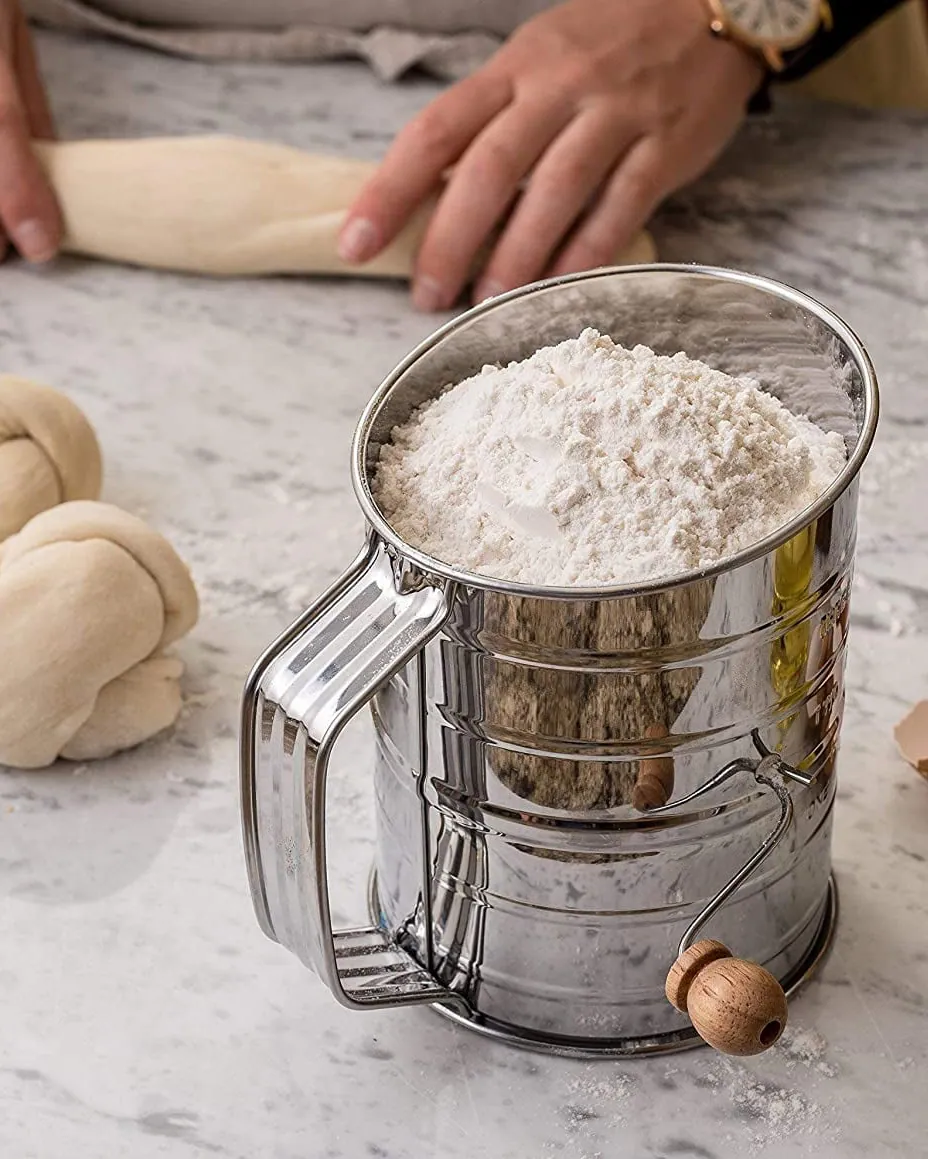
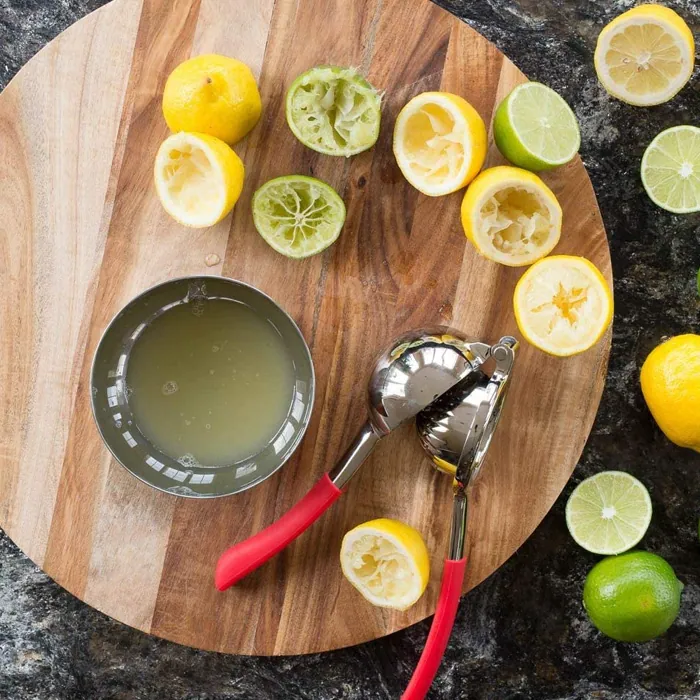
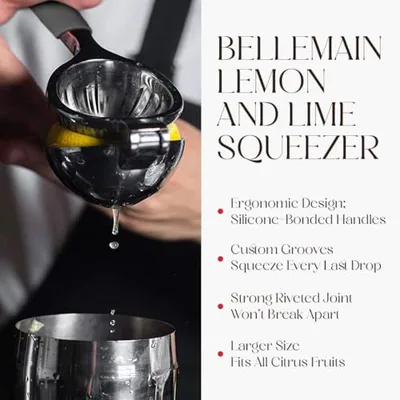
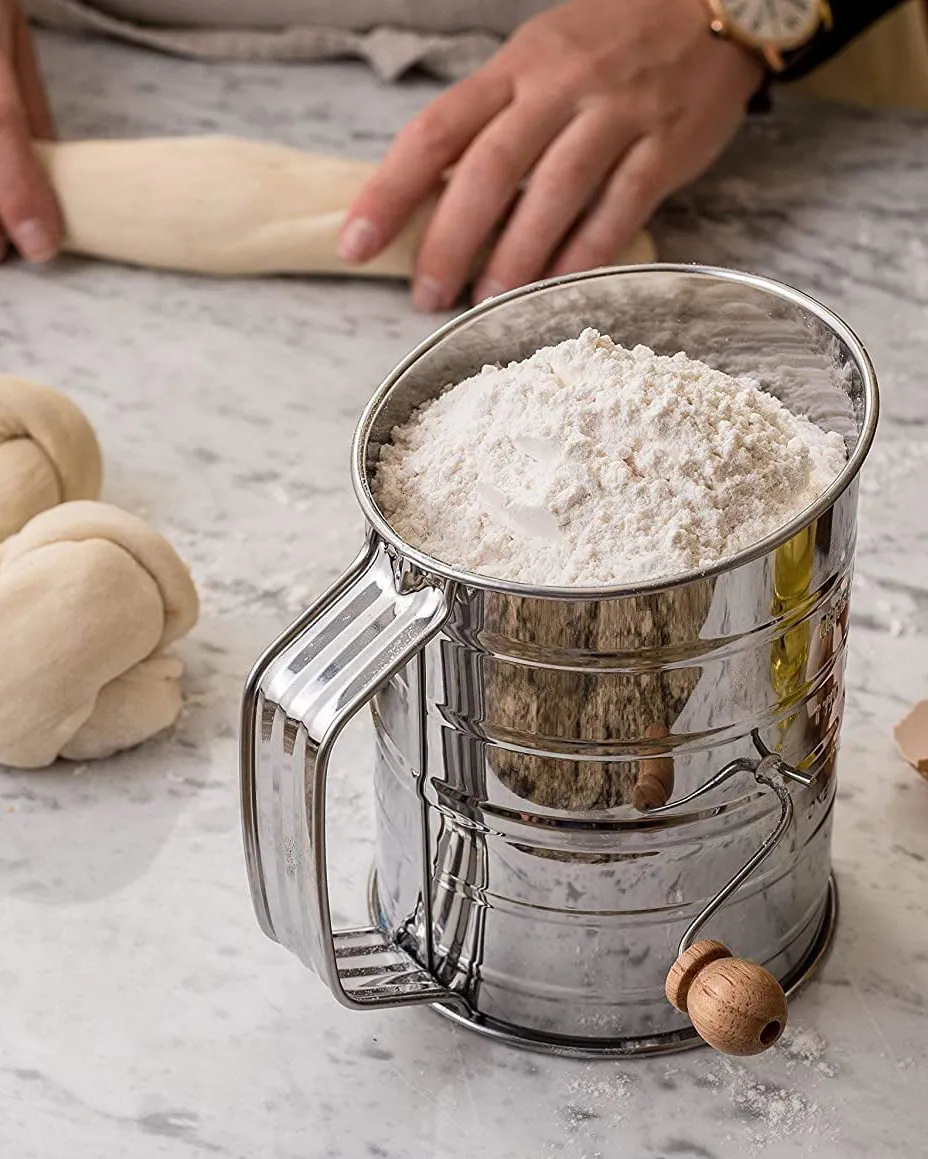
We draw a tool on paper, then we make a sample and use it. The crank on a flour sifter looked fine in the sketch. In a real hand, after ten passes, the knob bit into the palm. We rounded it. The hinge on a citrus squeezer had a tiny catch at the start of the squeeze, you only feel it when the fruit is cold and your hands are wet.
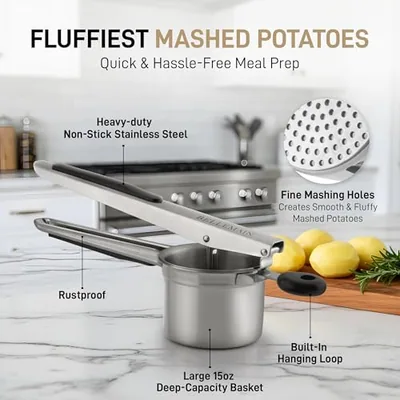
We smoothed the pivot. A potato ricer drew a clean line on the drawing. Against a hot pot, its rim scraped the enamel. We softened the edge.
Every change like this comes from a hand, not a screen. We make tools that you hold, so we hold them first. The Bellemain way works for beautiful hands. A tool that fights your grip was never beautiful enough.
The Bellemain kitchen works for beautiful hands. That starts with how a tool feels, but it also depends on what it can survive. We sit with samples. We run them through a dishwasher for a week, not once. If the steel dulls or the bamboo warps, we send it back.
Only 14 of our 40 stainless pieces carry a grade on the metal. We print 18/8 or 18/10 where the alloy stays true after repeated cycles, no pitting, no rust. The rest we call stainless and leave it at that. Our 2 bamboo drawer organizers get the same treatment. They sit in a wet kitchen, get scrubbed, get ignored. If they split, they do not make the cut.
We do not chase grades for the label. We chase them because a tool you reach for every day should not need excuses.
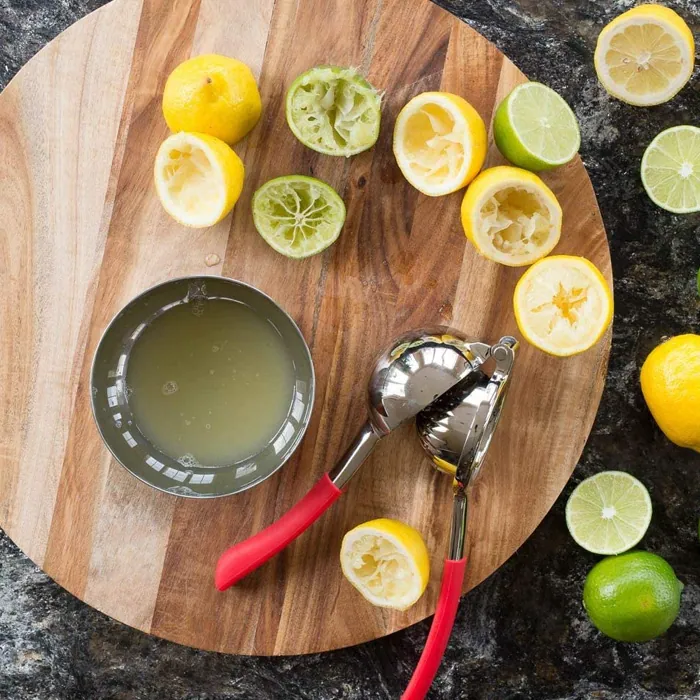
We started at the counter. Rinsing, pressing, sifting: those are the moments a hand earns its keep. So our first 8 departments held colanders, ricers, sifters, and bowls. All 40 pieces are stainless. We tested every design with real flour and real potatoes. We made sense of the counter, and for a while that was enough.
But a kitchen is also a table. The rules changed with the coffee. So we added moka pots in three sizes, then serrated steak knives in sets of four, six, and eight. The hand does not stop being a hand when it lifts a cup or cuts into a steak. It still wants the same thing: a tool that feels right before it looks right. Our name means beautiful hands. We build for both sides of the kitchen.
Our name means "beautiful hands" in French, and that is how we start: a tool has to feel right before it looks right. For years we judged a colander by its balance, a ricer by its leverage, a knife by its grip. The drying mats and drawer trays came last.
They were not glamorous. The microfiber drying mats, in 7 colors, and the bamboo drawer organizers. Building those small things forced us to admit that the counter and the drawer are the real constraints. Nothing nests until you know the drawer it will live in.
A measuring cup set that cannot settle quietly into its space is not finished. Now we design from the drawer out. A steak knife set belongs in a bamboo tray, and that tray must slide without catching. We have 66 tools, and each one answers the same quiet question: where will you spend the night?
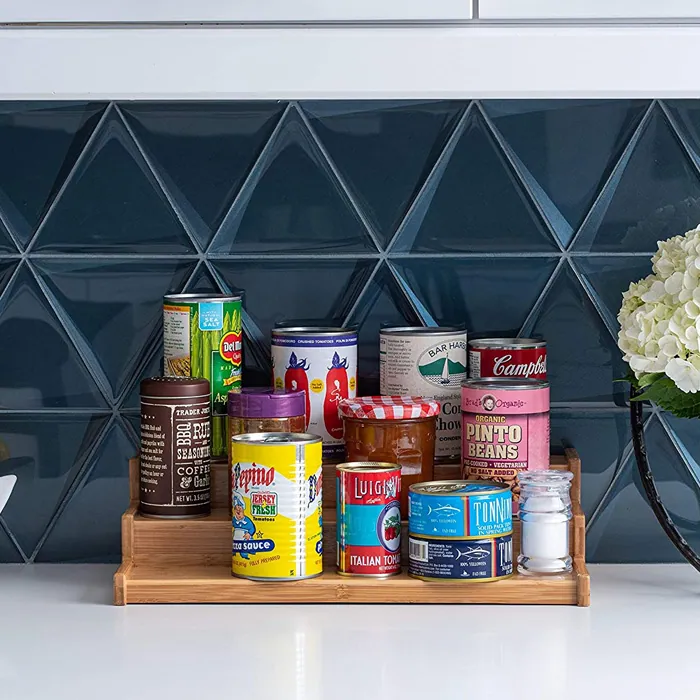
The people
The Bellemain bench works for beautiful hands, and our tools start with the hands that draw them and the ones that test them before you ever hold one.
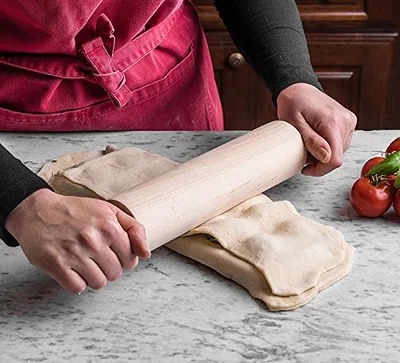
We draw a tool, then we cook with the first sample. If a ricer mangles potatoes or a sifter clogs on flour, the drawing goes back. We measure drawers to make sure a set nests, and we pass a handle around until it sits right in a wet hand. The day is more rejection than approval, but that is how a kitchen tool earns its place.
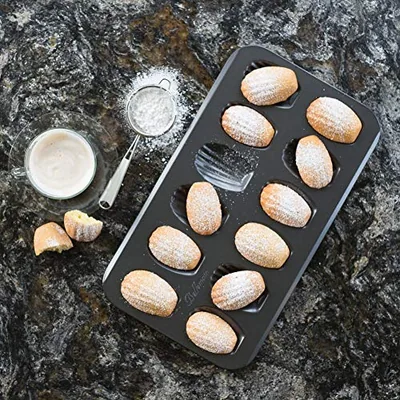
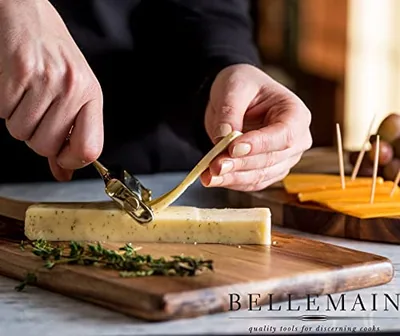
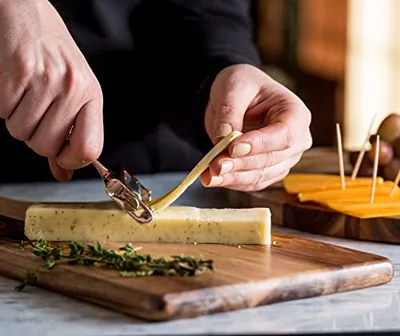
Someone draws the tool. That same person cooks with the first sample. We sift flour through a prototype sifter, press potatoes through a ricer, slice cheese with a wire slicer before anything goes further. The hand matters. So does the drawer it will live in. If it doesn’t feel right in use, we don’t ship it. Small team, no boardroom, just a kitchen and a sketchbook.
We read every letter ourselves. A person writes back, not a script. If you ask whether a mixing bowl set will nest in a shallow drawer, we check the height and tell you.
If a moka pot is too big for your stove, we say so. If we don't know, we say that too. That's the whole job.
Quality
We update our prices regularly, checking each one against our own current records before it goes live on the site.
We start with the hand. The Bellemain team works for beautiful hands, and that is the test every tool has to pass first. We check if the handle feels secure when your grip is wet. We check if the weight in the colander, the ricer, the can opener is steady without being heavy.
Across 66 tools in 8 departments, we look for the same things: a rim that will not catch your palm, a balance that does not tire your wrist, a shape that nests or stacks because your drawer space matters.
Once the hand test is done, we use the tool the way you will. A flour sifter goes through cake flour and coarse whole wheat, cranked fast and slow, to see if it clumps or jams. A potato ricer gets russets and Yukon golds, pressed while they are still steaming, because a ricer that balks at floury potatoes has no business in a kitchen. We test a citrus squeezer with thin‑skinned lemons and thick‑skinned oranges. If a tool passes the practical test, it earns a page.
We also mark what we will not promise. A set of mixing bowls with airtight lids keeps dry ingredients fresh, but we do not test the seal with liquids over days. A microfiber mat dries dishes well, but we do not rate absorbency in grams. Where we cannot confirm something, we skip it. We would rather have a page with honest gaps than one full of claims we never tested ourselves.
Certification
14 pieces name their stainless grade, 14 are dishwasher safe, 6 are nonstick, and 4 are BPA-free. Each claim sits on the piece that makes it.
If a colander or a mixing bowl carries 18/8 or 18/10 on the steel, you will see those digits on its page. Across the whole range that applies to 14 of our 40 stainless pieces.
Coated carbon steel bakeware, aluminum moka pots, bamboo drawer trays and microfiber drying mats each name their material plainly. Where a part is BPA-free or a surface is nonstick, the piece says so.
The numbers carry the rest. 42 of our 66 tools publish both width and height, and 14 pieces say they can go in the dishwasher. Everything else we would wash by hand, and we tell you which is which.
What a tool is made from, how big it is, and whether it can go in the dishwasher: those three answers decide most kitchen purchases. The federal food-safety pages quoted beside this text cover the rest.
To keep all cutting boards clean, the Hotline recommends washing them with hot, soapy water after each use; then rinse with clear water and air dry or pat dry with clean paper towels.
USDA Food Safety and Inspection Service, Cutting Boards. Read 23 August 2026. Source
Bamboo absorbs very little moisture and resists scarring from knives, so they are more resistant to bacteria than other woods.
USDA Food Safety and Inspection Service, Cutting Boards. Read 23 August 2026. Source
Both wooden and plastic cutting boards can be sanitized with a solution of 1 tablespoon of unscented, liquid chlorine bleach per gallon of water.
USDA Food Safety and Inspection Service, Cutting Boards. Read 23 August 2026. Source
Counter and drawer
6 shown here, 15 in the department.
 Set of 12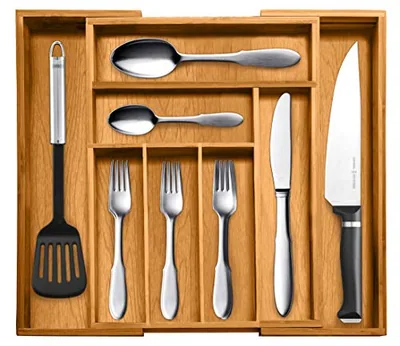
 Set of 2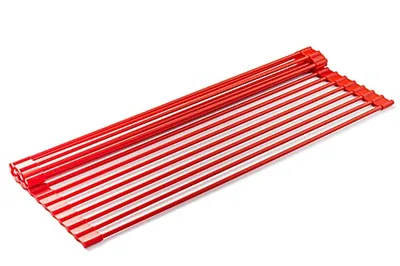
Added value: what goes in the dishwasher
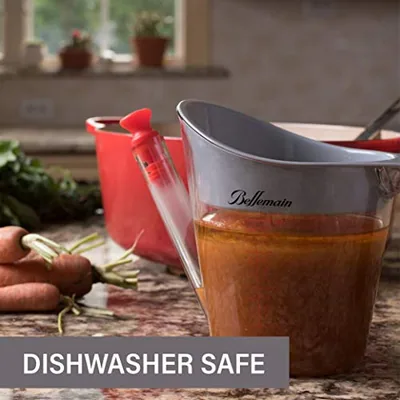
We label 14 of our tools dishwasher safe, and the rest we wash by hand to keep them looking and working their best.
We mark a piece dishwasher safe only when the piece itself says so, and we never assume. A dishwasher is convenient but it runs hot, wet, and long, with detergents that are tougher than you would use at the sink. That combination does a few materials no favors.
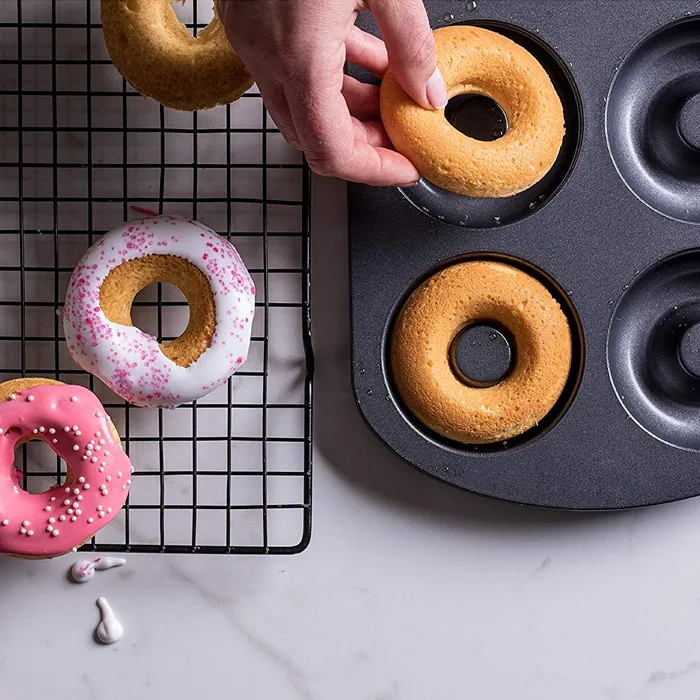
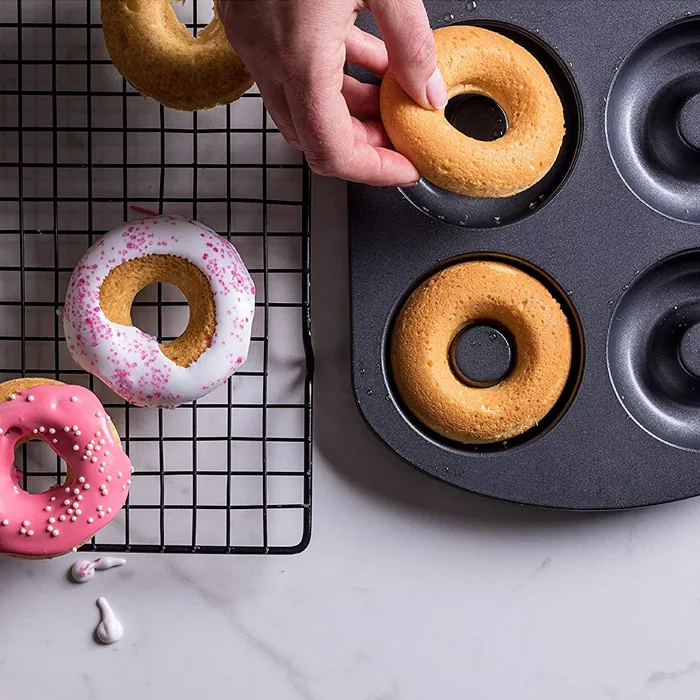
Aluminum moka pots will discolor and turn dull in the machine. Bamboo drawer organizers and knife blocks can warp or split as they soak up moisture and steam. Nonstick coatings, even on our donut and madeleine pans, last longer when you keep them out of the dishwasher. We build these things to work, so we tell you to hand wash them.
For the stainless steel that makes up most of our range, colanders, mixing bowls, potato ricers, and the rest, a two‑minute hand wash with warm soapy water does more than just clean it. It keeps the metal bright, prevents water spots, and lets you dry it right away so it goes back on the shelf ready for the next meal. The machine can do the job, but the sink keeps it looking new.
| Department | Pieces | Dishwasher safe, stated | Hand wash, stated or implied | From |
|---|---|---|---|---|
| Coffee & Tea | 6 | 1 | 5 | $17.99 |
| Baking | 8 | 2 | 6 | $12.00 |
| Cutlery & Knife Storage | 4 | 3 | 1 | $27.99 |
| Drawer & Cabinet Organization | 3 | 0 | 3 | $11.99 |
| Dish Drying | 12 | 2 | 10 | $9.89 |
| Grill & Burger Presses | 7 | 0 | 7 | $12.99 |
| Hand Tools | 19 | 1 | 18 | $12.95 |
| Colanders & Mixing Bowls | 7 | 5 | 2 | $23.99 |
About Bellemain
We are Bellemain. It means beautiful hands, and it is where we start. Before we draw a tool we think about the hand that will hold it and the drawer it has to live in.
Our range runs to 66 pieces across 8 departments, from a 3‑quart colander to a set of eight steak knives. Prices go from $9.89 to $77.98, with a median around $20.80. We do not try to fill a catalog with everything a kitchen can hold. We make the tools you reach for often, and we make them so they do not fight you for space.
A tool that feels right in the hand is the point. A tool that nests into the next size down is the other half of it. Our mixing bowls stack. Our measuring cups stack. The moka pot belongs on the stovetop, not in the back of a cabinet. The steak knife block is bamboo and narrow enough for a crowded counter. The dish mat rolls up and hangs over a rail.
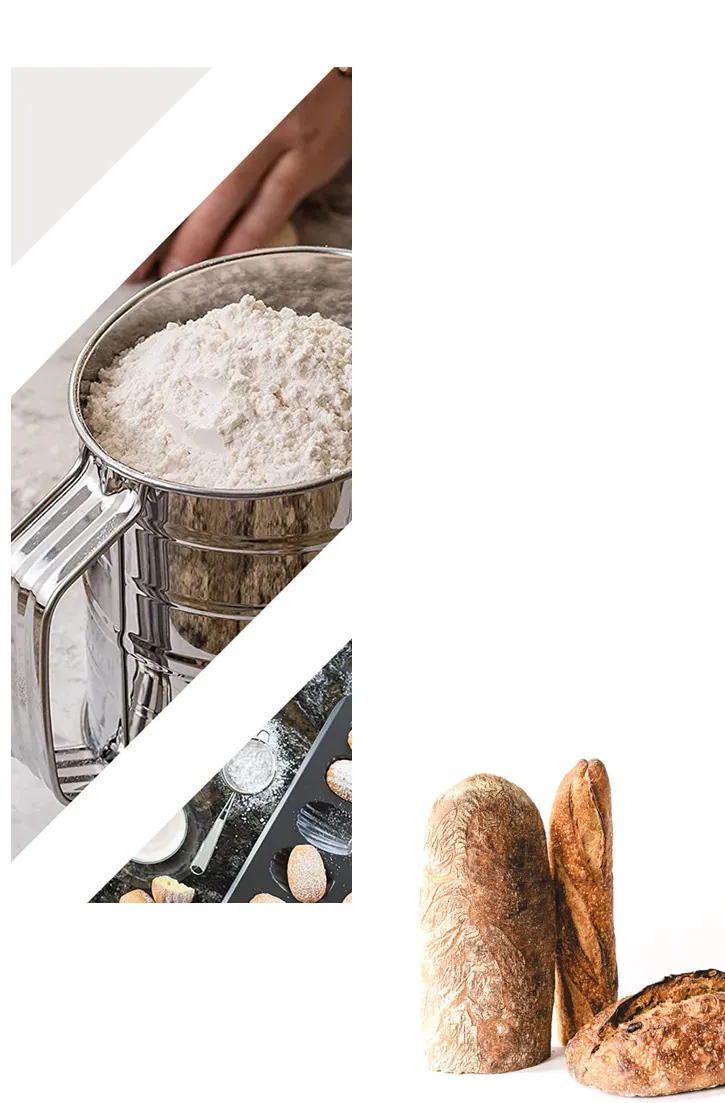
We test a sifter with flour and a ricer with potatoes before we sign off on a sample. We do not make a tool that looks clever and sits unused. We make a tool for the cook who opens one drawer and wants every piece in it to earn its place.
We start from the hand, not the shelf. Bellemain means beautiful hands, so a tool has to feel right before it looks right. We draw it, we cook with the first sample, and we test it the way you will. A sifter gets real flour. A ricer gets real potatoes.
When we choose what to make next, we work outward through the kitchen. Prep comes first, then cooking, then cleaning and storage. The question is not what we can add but what belongs in your hand and in your drawer. If a piece fails that, we drop it. A tool that needs too much force for weak wrists or too much space for a small kitchen does not make the cut. We also skip one-job gadgets that crowd a drawer and do nothing better than a simpler tool.
Sets nest because a drawer is the real constraint. Every new piece has to earn its place there.
| Department | Pieces | From | What it is for |
|---|---|---|---|
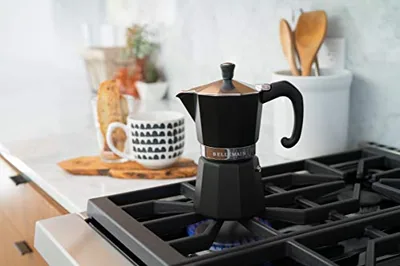
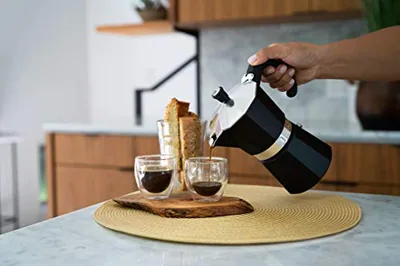
| Coffee & Tea | 6 | $17.99 | Stovetop moka pots and a French press: coffee the way a small kitchen makes it. |
| Baking | 8 | $12.00 | Flour sifters, measuring cups, donut and madeleine pans: the tools a bake begins with. |
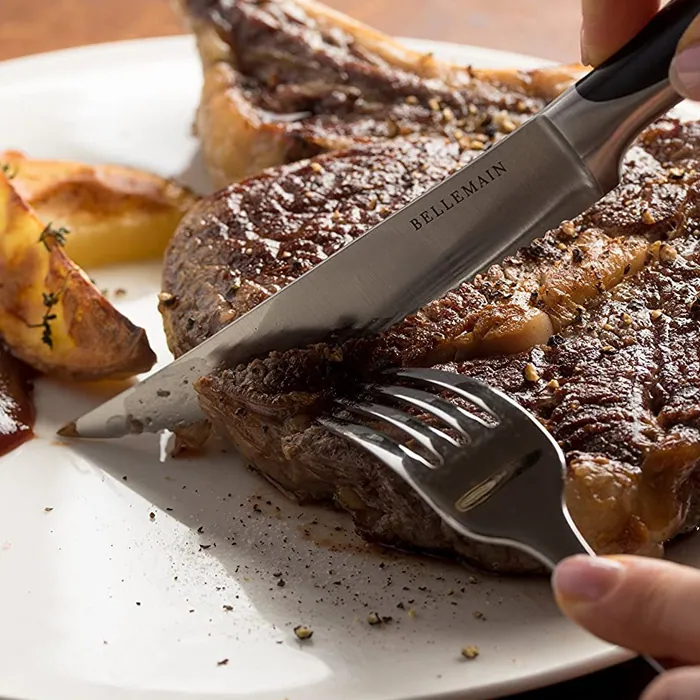
| Cutlery & Knife Storage | 4 | $27.99 | Serrated steak knives by the set, and the bamboo blocks and trays that keep them in a drawer. |
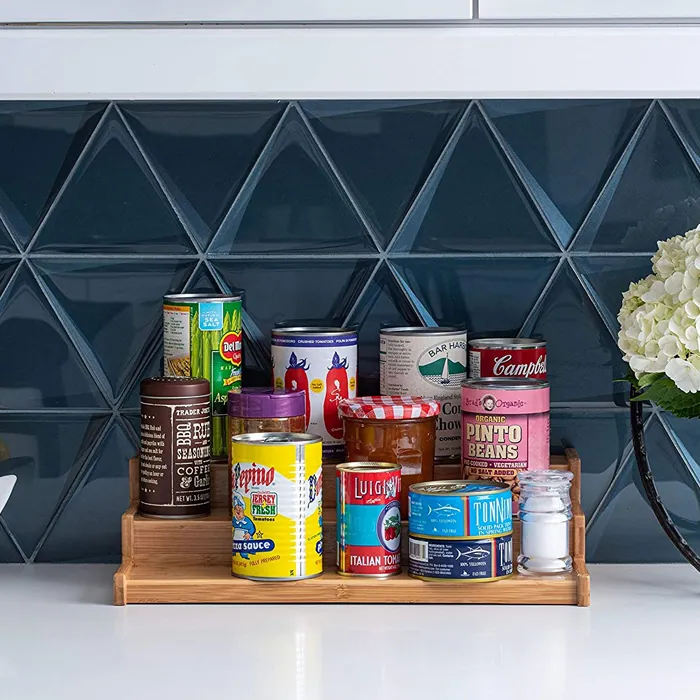
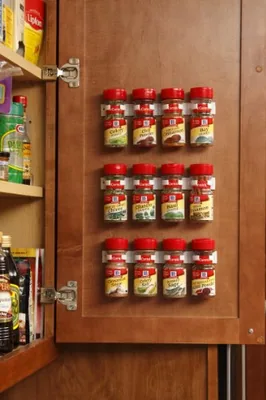
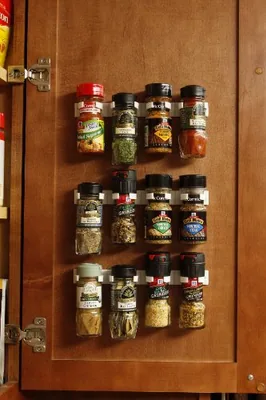
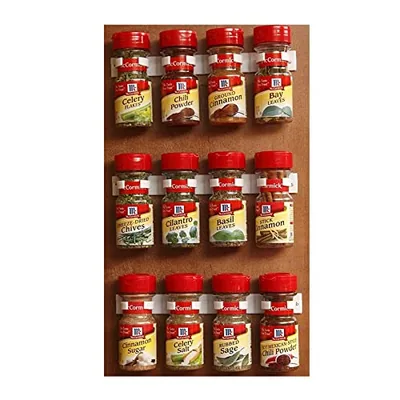
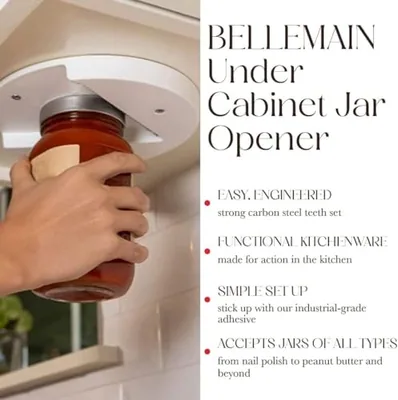
| Drawer & Cabinet Organization | 3 | $11.99 | Bamboo drawer trays, spice clips for a cabinet door, and the jar opener that lives under it. |
| Dish Drying | 12 | $9.89 | Absorbent drying mats in eleven colors and roll-up racks that span the sink. |
| Grill & Burger Presses | 7 | $12.99 | Smash burger presses, bacon presses, a griddle spatula and the meat pounder beside them. |
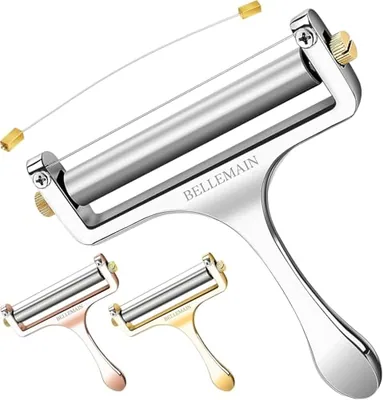
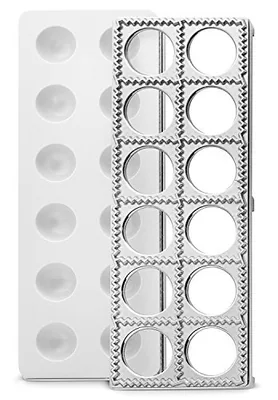
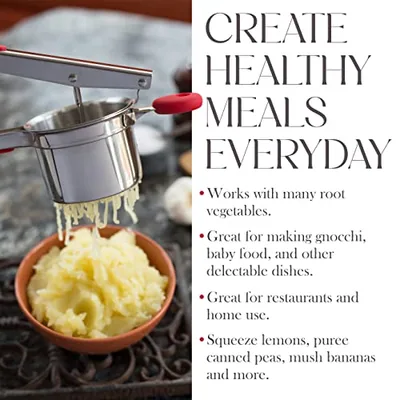
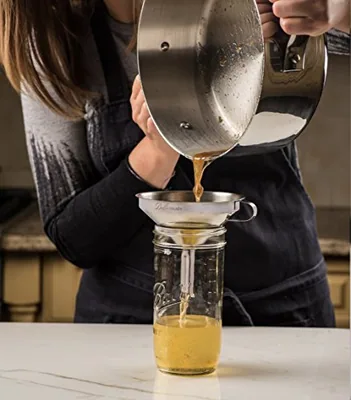
| Hand Tools | 19 | $12.95 | Potato ricers, citrus squeezers, cheese slicers, the can opener, funnels and the ravioli press. |
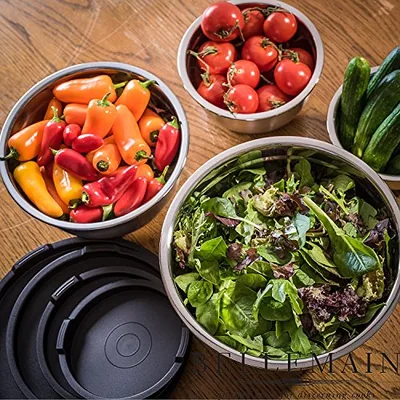
| Colanders & Mixing Bowls | 7 | $23.99 | Stainless colanders in two sizes and mixing bowls with airtight lids, sold in nesting sets. |
We put the same few facts on every piece, and we leave off any fact the piece itself does not carry. Size comes first. For 42 of our 66 tools, that means width and height, so you can measure a drawer or shelf before you decide.
Then the material: stainless steel, aluminum, carbon steel, bamboo, or microfiber. When the steel is marked 18/8 or 18/10, we name the grade. 14 of our stainless pieces carry that mark on the piece. When a piece says dishwasher safe, we say that. When it says nonstick or BPA-free, we say that too.
We also list what a piece does not have and what that means for you. If it is not dishwasher safe, we tell you. If it has no nonstick surface, we say so, and we do not pretend it will release the same way. If there is no grade stamped on the steel or no BPA-free mark, we leave that claim out.
A note like this can also tell you who a tool will not suit. If you need everything to go in the dishwasher, we tell you before you buy. No hidden promises.
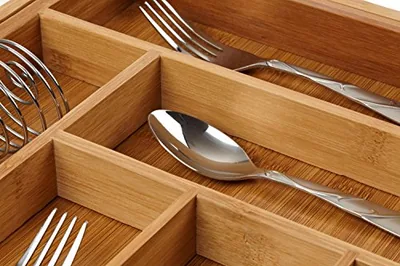
A tool has to feel right in the hand before it looks right on the counter.
We make tools for the hand, not the display case. Across 66 pieces in 8 departments, you will not find cast iron or copper. You will not find heirloom cutlery. Our steak knives are serrated, sharp, and built to live in a drawer tray. If you want one heavy pan to last a lifetime, our range is probably not for you.
That is not a flaw. It is just not what we do. We work in stainless steel, aluminum, bamboo, microfiber, and coated carbon steel. Materials that are light enough to grab with one hand and tough enough to earn a drawer spot.
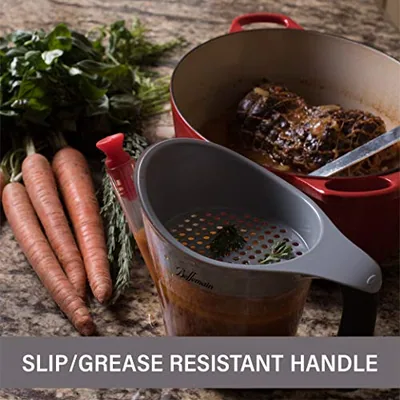
We are working on a few things right now. A tool for a small, specific chore that keeps coming up in our own kitchens. A new handle shape we have been sanding by hand. We are also testing a quieter crank on our flour sifter and a softer grip on the potato ricer. None of it has a date. We will put a new piece in the catalog only when it feels right in the hand, not before.
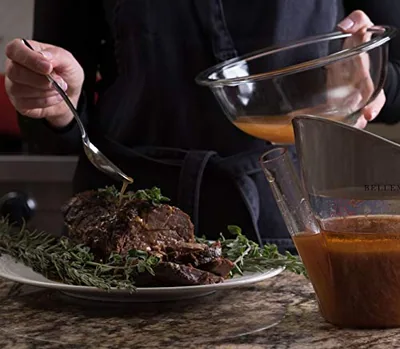
Journal
From what the numbers stamped on our stainless steel mean to a drawer that actually closes and the sizzle of a smash burger, three new pieces go long.
Questions
It is a grade of stainless steel with 18% chromium and 8% nickel. On our tools it resists rust and holds its finish without a coating. When a piece names its grade, that figure is on its page, so you know what is in your hand.
No. Only 14 of our 66 pieces state that they are dishwasher safe, and we print the claim only where the piece does. Bamboo organizers, aluminum moka pots and coated baking pans want a quick hand wash. If a page does not say dishwasher safe, treat it as hand wash.
We make 3-quart and 5-quart colanders. The 3-quart works for a pound of pasta or a few cans of beans without crowding. The 5-quart fits a whole stockpot of potatoes or a big greens wash. If you cook for one or two, the smaller is usually enough.
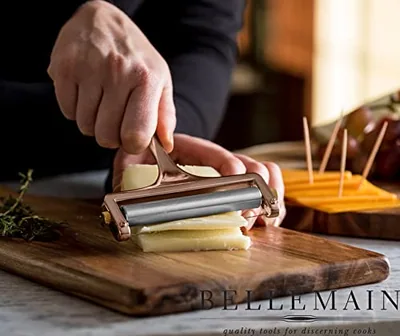
A moka cup is a small demitasse serving, about 2 ounces. Our pots come in 3, 6, and 9 cup models. The 6-cup makes enough for two small americanos. It is a stovetop brewer, not electric, and it will not brew a full mug at the push of a button.
We design our mixing bowls and measuring cups to nest. The bowls stack inside one another and take up only the footprint of the largest bowl. Less clatter when you open the drawer.
Bamboo does not like the dishwasher or a long soak. Wipe it with a damp cloth and mild soap, then dry it right away. A little food-grade mineral oil once or twice a year keeps the surface from drying. Never submerge it.
A piece with no buyable price leaves the range until it is buyable again: its page comes down, and the department count drops by one. We do not take backorders or hold inventory ourselves, so we would rather show you nothing than a figure nobody can honor.
Every purchase goes through our retail partner, not directly on this site. You browse here, then checkout with them. They handle the payment, the shipment, and any returns. We do not take payment or ship anything ourselves.